
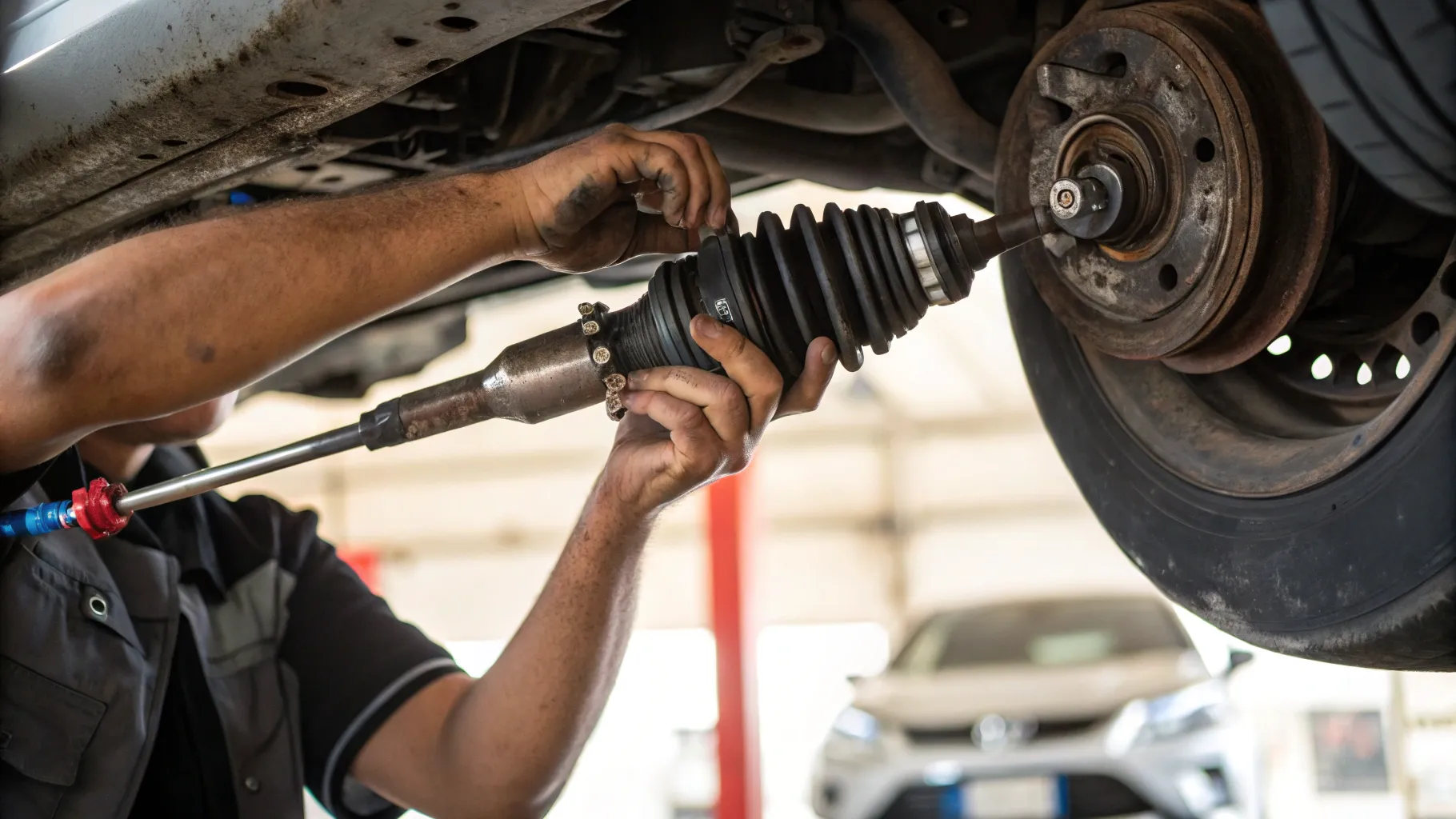
A CV boot is the flexible bellows that keeps grease in and dirt out of a CV joint. Off-road tracks can cut, puncture and wear boots, and a torn boot can go from a minor problem to an expensive one fairly quickly because grease escapes and grit gets in. Replacing a boot and protecting a boot are two different jobs. This post explains how an aramid (Kevlar-grade) cover differs from a replacement boot. If your boot keeps ripping on a lifted 4WD, fix the CV angle first. Here’s how to stop CV boots tearing on 4WD trails.
Why CV boots fail off-road
A boot flexes constantly while it keeps grease in and dirt out, so anything that cuts or wears it matters. A small tear can lead to a CV boot leak, letting grease escape and grit in. Repeated tears often come from causes a cover can’t fix, such as the wrong boot, poor installation, too much axle angle, or a joint that is moving more than it should. Cuts and abrasion from rocks, sticks and trail debris are different, and that is where a cover can help.
Replacement boot materials vs an aramid cover
What a replacement boot is made of
Replacement CV boots are made from materials such as rubber, thermoplastic and silicone. A boot has to match the axle shaft diameter, housing diameter, fold shape and travel range closely, and a boot that doesn’t match the axle, uses weak material or has poorly formed folds can tear quickly. So the material is only part of the picture: fit and installation matter too. Want a quick side-by-side of the four materials? Try our CV boot material comparison tool.
What aramid fibre is
Aramid (short for aromatic polyamide) is a class of strong synthetic fibres, and Kevlar is a well-known brand of aramid fibre. Aramid fibres are described as having good resistance to abrasion, and Kevlar is used in protective gloves and clothing. CV Boot Guardian covers are made from woven aramid (Kevlar-grade) fibre. In our product description, the cover is an outer layer built to take the abrasion from rocks, sticks, grit and mud, so your rubber CV boot doesn’t have to.
Where a slip-on cover helps, and where it doesn’t
Where a cover helps
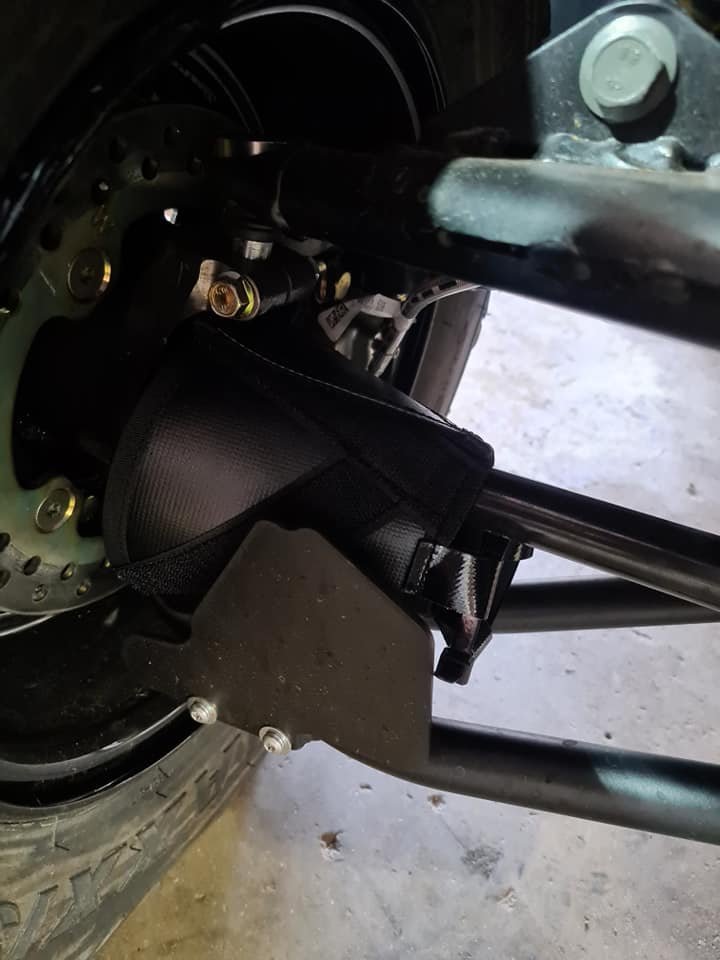
A slip-on aramid cover goes over the boot you already have, taking scuffs and abrasion from rocks, sticks, grit and mud instead of the boot underneath. It wraps around your existing boot and secures with velcro and cable ties, and there is no need to remove the axle to fit it. That makes it one option for riders whose boots are healthy but spend their time around debris.
Where it doesn’t help
A cover is not a fix for a boot that has already split. If your boot is torn or leaking grease, replace it first; see the common signs of a CV boot leak. A cover also can’t correct the causes of repeat tears that aren’t about debris, such as too much axle angle after a lift, poor installation, or a worn joint. Sort those out first, then consider protecting the healthy boot.
Ready to protect your boots?
If your boots are healthy and you want to protect them from rocks, sticks and grit, a slip-on cover is one option. The 8-Pack is $149.99 and comes with a 2-year warranty, and the 2-Pack sample is $59.99 if you’d like to try one first. Shipping is free across Australia. Browse the Shop to see both. The fitting steps are in our fitting guide.
Not sure about size? Start with the 2-Pack sample.
Leave a Reply
You must be logged in to post a comment.